Elsevier is a Dutch academic publishing company specializing in scientific, technical, and medical content. Elsevier was founded in 1880 in Amsterdamn, Netherlands.
My Role
User Research
User Interviews
Journey Mapping
Sketching
Wireframing
Screen Flows
Visual Design
Platforms
Web
Year
2018 - 2021
PROBLEM
Background
University libraries around the world are tasked with adding written and published research to their "Institutional Repository". This repository is important because it is where the university can showcase what makes itself different from the rest of other universities and what sets them apart. The problem is much of this written and published research on the web is fragmented and scattered amongst several websites and journal platforms, such as Scopus, SSRN, and many others. The amount and quality of research a librarian at for example Stanford University, curates and add's drives the library and consequently drives the university's reputation. This can also affect how much grant money and scholarship money a university receives for its research projects for professors and other staff..
The Problem
The main problem here is that many librarian administrators must scour several different sources on the web to find published works from authors at their university. Each site has its own system, the way the journal or research paper is published, and even access to who can view that work and its metadata. Getting this work together and added into their digital repository is very laborious and there is not one unified hub to find and sort the works you want in your repository.
My Role
As the only product designer on the team at this time, my role was to lead the entire UX process end to end. I was involved in all phases of the project, from research all the way to finalized product.
My work included user research, product strategy, UX, UI, A/b testing, and delivering the final designs. Ultimately to be the voice for our users and design a new product.
User Research
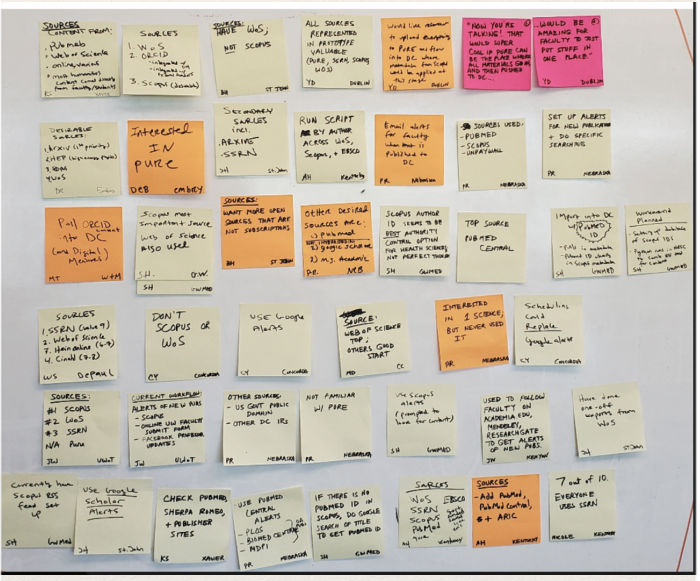
As a part of the product, I needed to understand the existing workflow and its pitfalls. I flew to NY to meet in person with my clients and users to really understand their pain points. I did this research using a process map and asked my interview participants to show me the steps they take to do their current harvesting workflow as well as talk me through each step.
Customers visited included, Hofstra University Medical School, Fordham Law School, Columbia University, and Cardozo School of Law. Through my in-person user interviews and research, I was able to identify the current and flawed workflow as detailed in the steps below. Ultimatley I was able to gain a greater understanding of the pain points of my primary user
In my role on this project, I conducted several pieces of user research. This included:
- Building a user persona, designing an empathy map of the flawed workflow
- Leading in-person interviews using a process map to uncover pain points
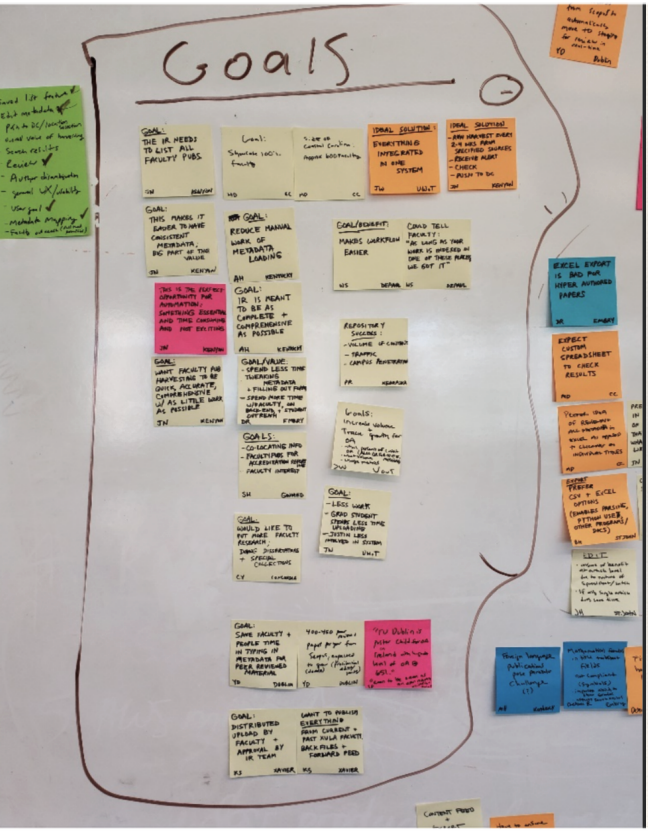
- Card sorting exercise to synthesize the user needs from the in-person interview
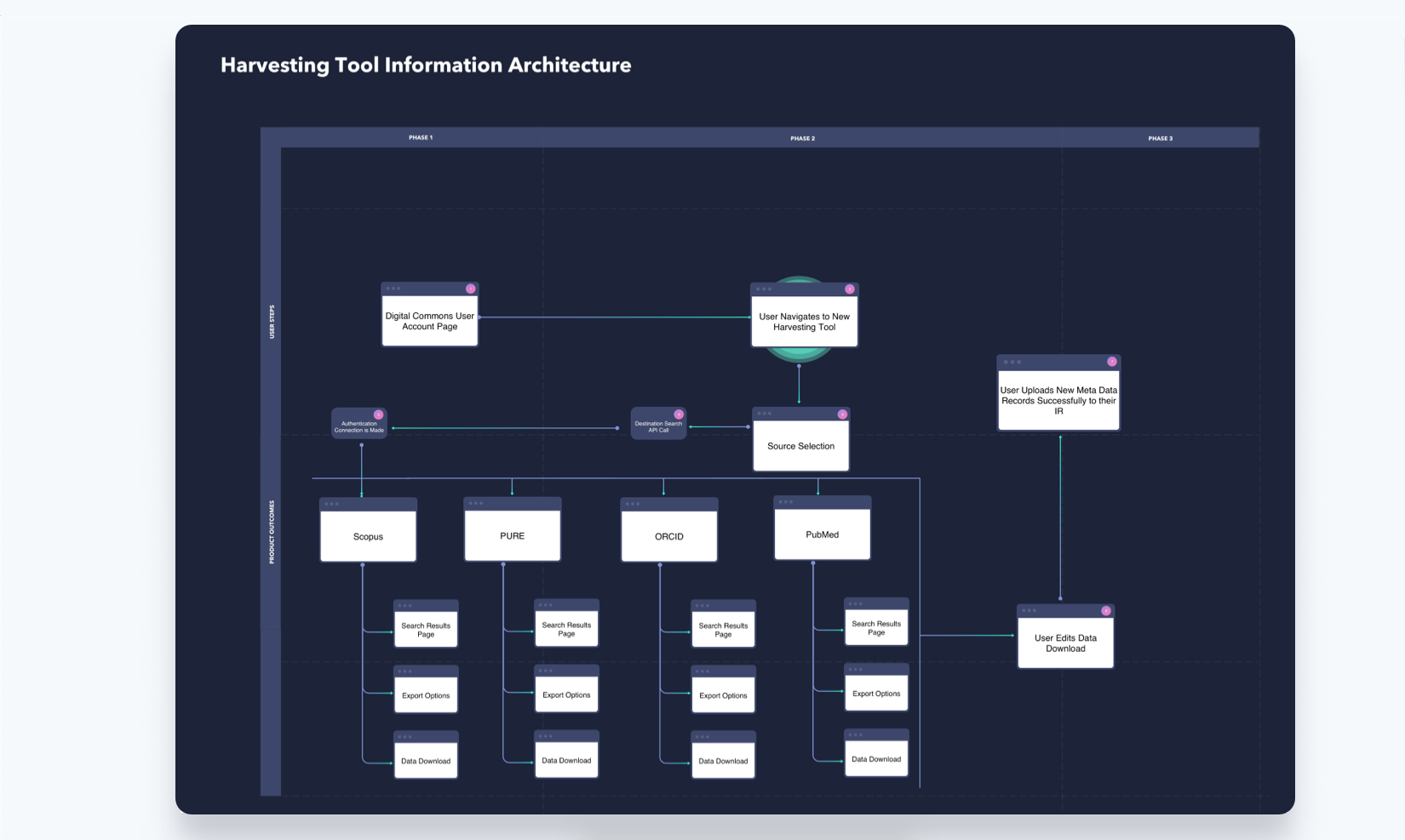
- Designing a new architecture map and flow for the new product with integrations on the back end
- Conducting user heuristic and usability tests Validating changes to design through online and phone interview
.
The Persona
To gain a better sense of empathy, I first created and compiled a user persona. This included their bio, challenges, roles and responsibilities, and how many visits they make to our software platform each year. It was important to really understand the user challenges and needs before any design work.

Process Mapping with Users
Using a process map to identify current pitfalls in the workflow.

Compile and Sythesize
After several in person interviews I compiled all the research and sythesized my main themes and goals the users needed.
Mapping the Journey
Existing Broken User Journey

Citation Alerts
This is an example of what an email alert may look like for specific authors a research librarian is looking for. The library admin may subscribe to several different alerts and each month would have to look over each one to find a specific author and or article.

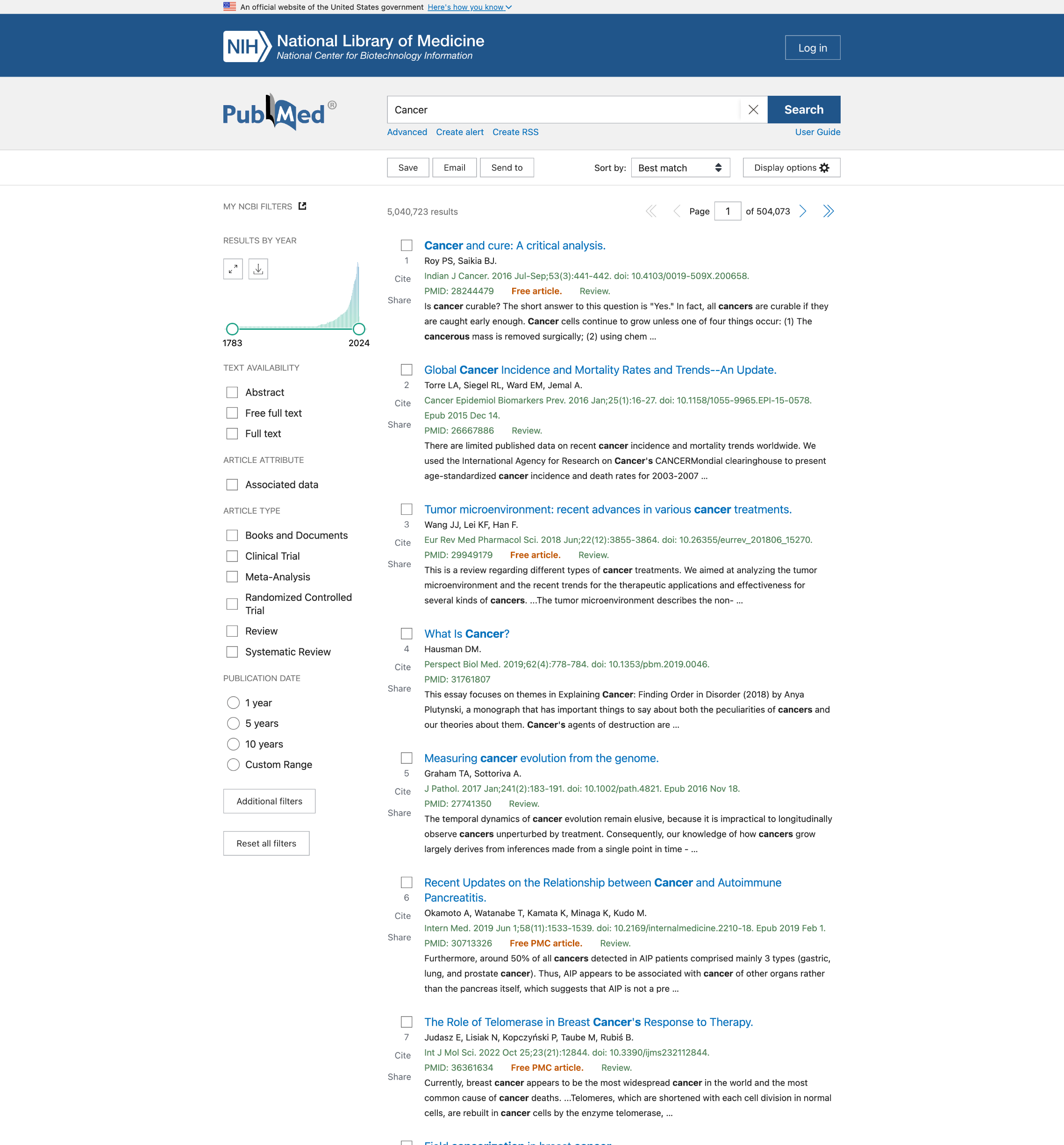
Browsing
This is an example of what an abstract looks like on a research site. In this case, a library admin may subscribe to email alerts for a specific author. The problem is this is just one of many sources an author may publish to. There is also limited visibility into the publishing rights of this work that has as well as author dissemination.
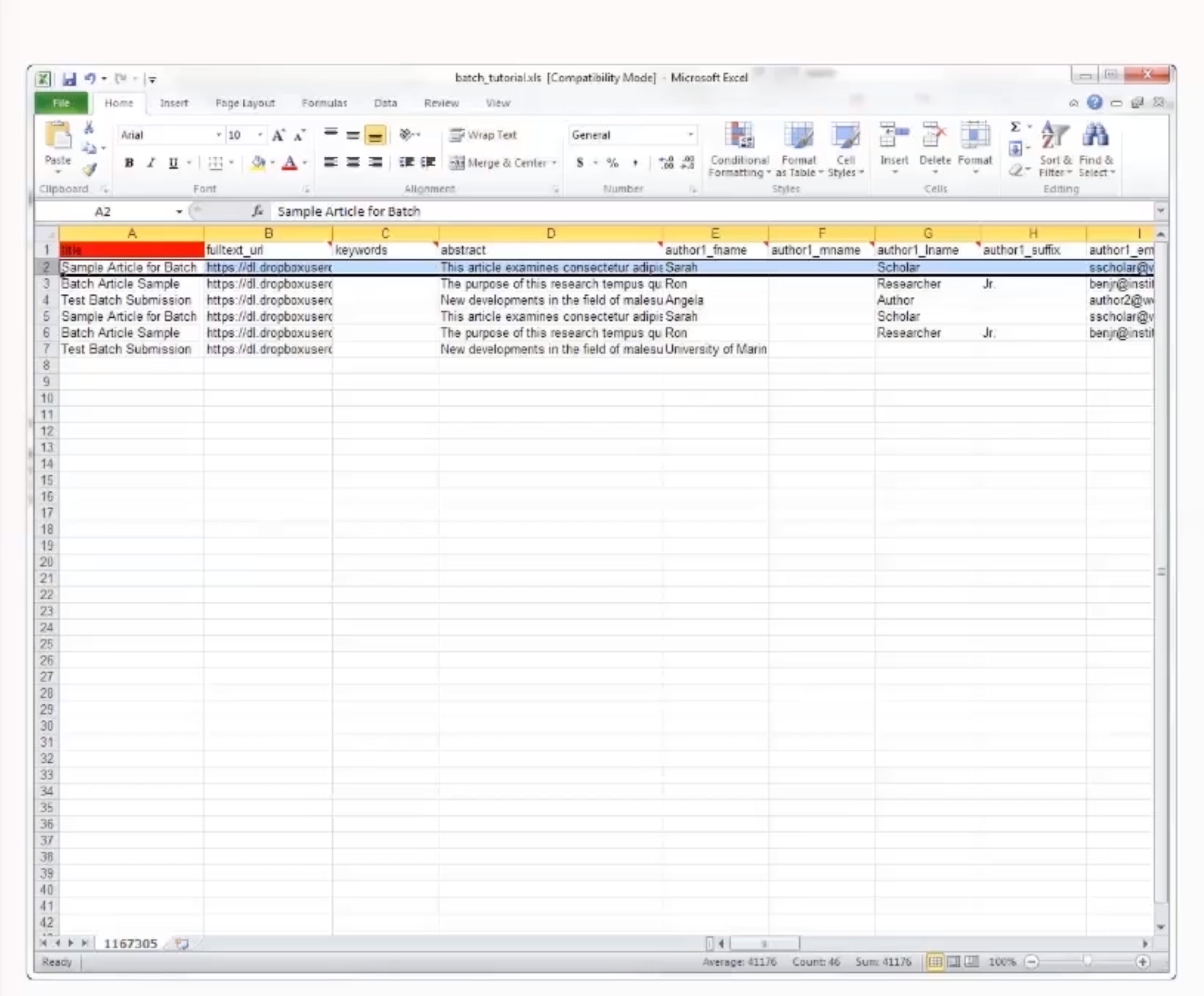
Batch Upload
Once our users were able to find the information they needed, they would then have to manually copy and paste line by line in this batch upload sheet. This process was very laborious and would take our users many hours a month to prepare. This is a broken process.
Ideas Into Action
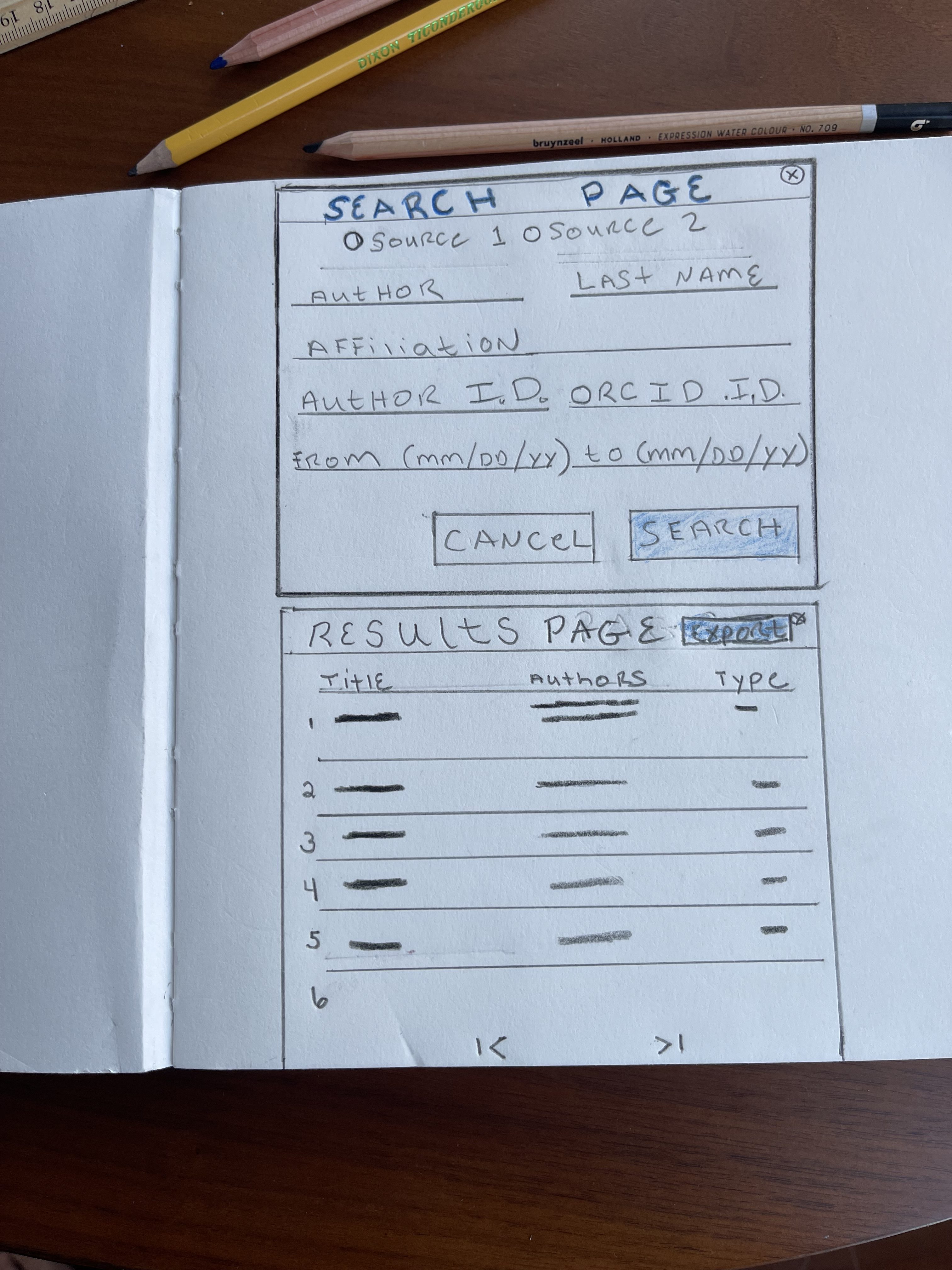
Early Sketches
I like to begin every new product design idea with a simple pencil and paper. This allows me to see it visually and really start to lay out how the product might look and flow for the user. For these sketches I knew from my user research and our technical capabilities, the first iteration would need to be simple. This included a search page and a results page, In addition, the export options.
In addition to the search page and results page, based on my research from our users there would need to be an export options modal. This is the primary action for our users to download the data they needed to begin editing their metadata from the product.

A New Architecture
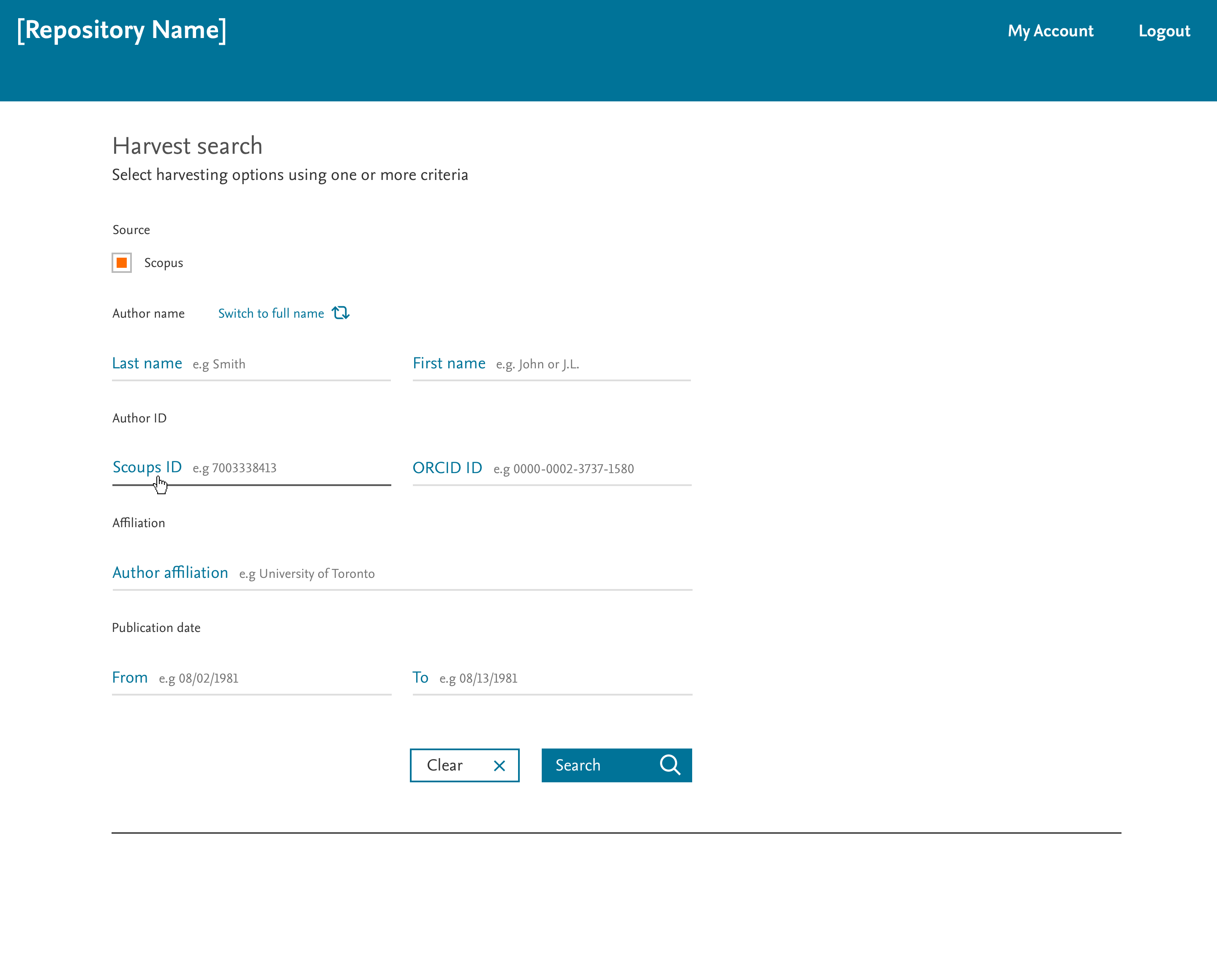
Wires
Early wire frame mock up of the search interface.
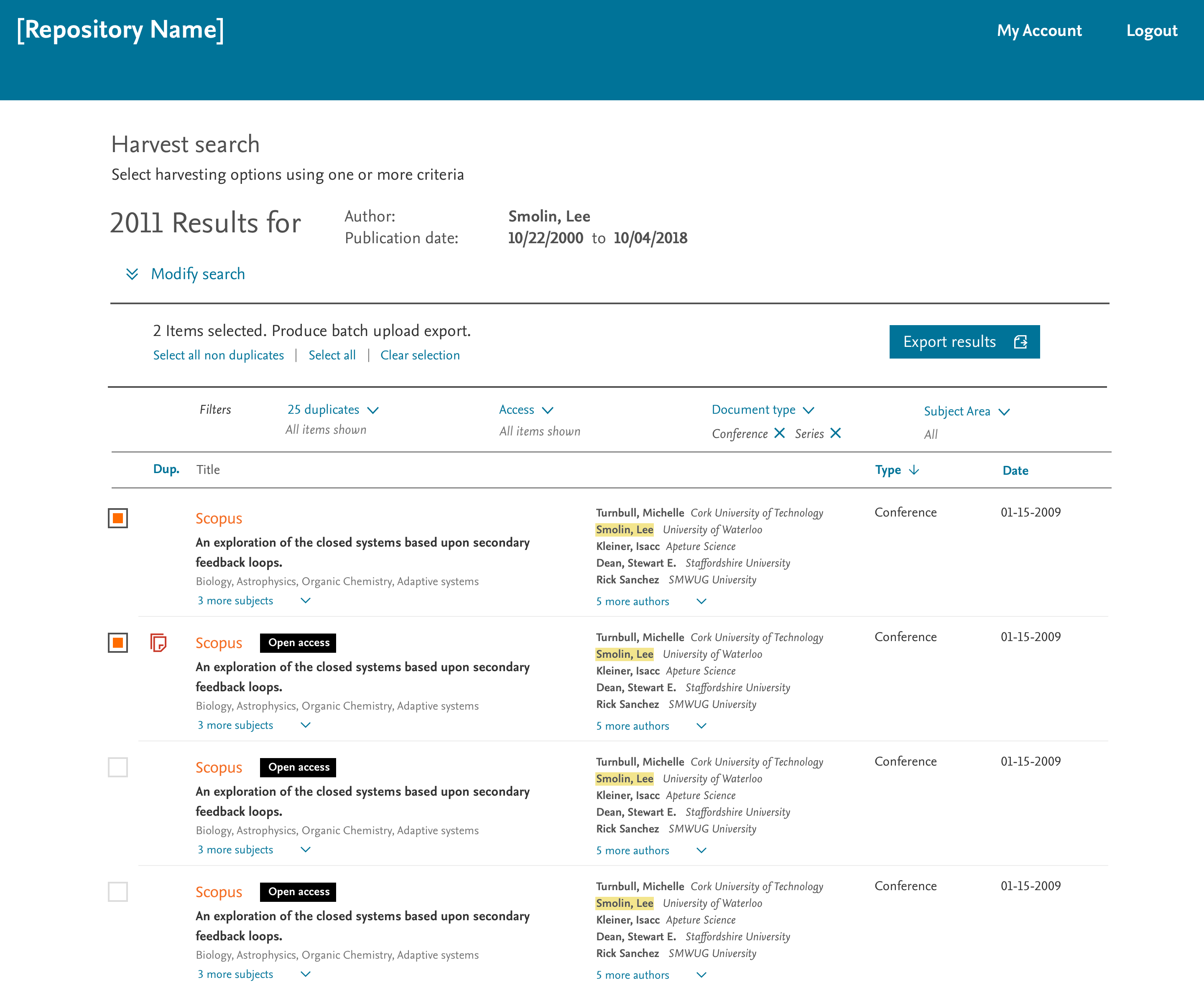
Wires
Early search results wireframes showing the user all the works in once place rather than scattered amongnst 8 different websites. Aggreating their search into one simple unified UI.
Key results
1.2 Million
80%
60%
5
New Records Added
Avg. Time Savings
New Customer Engagments
API Integrations
Phone: 310 717 2329
Email: brandonbreon@gmail.com | LinkedIn
Other Work

AXS iOS Mobile AppProject type

Search ProductProject type
Analytics DashboardProject type

StrategyProject type

Ticketing PlatformProject type

Medical DashboardProject type